
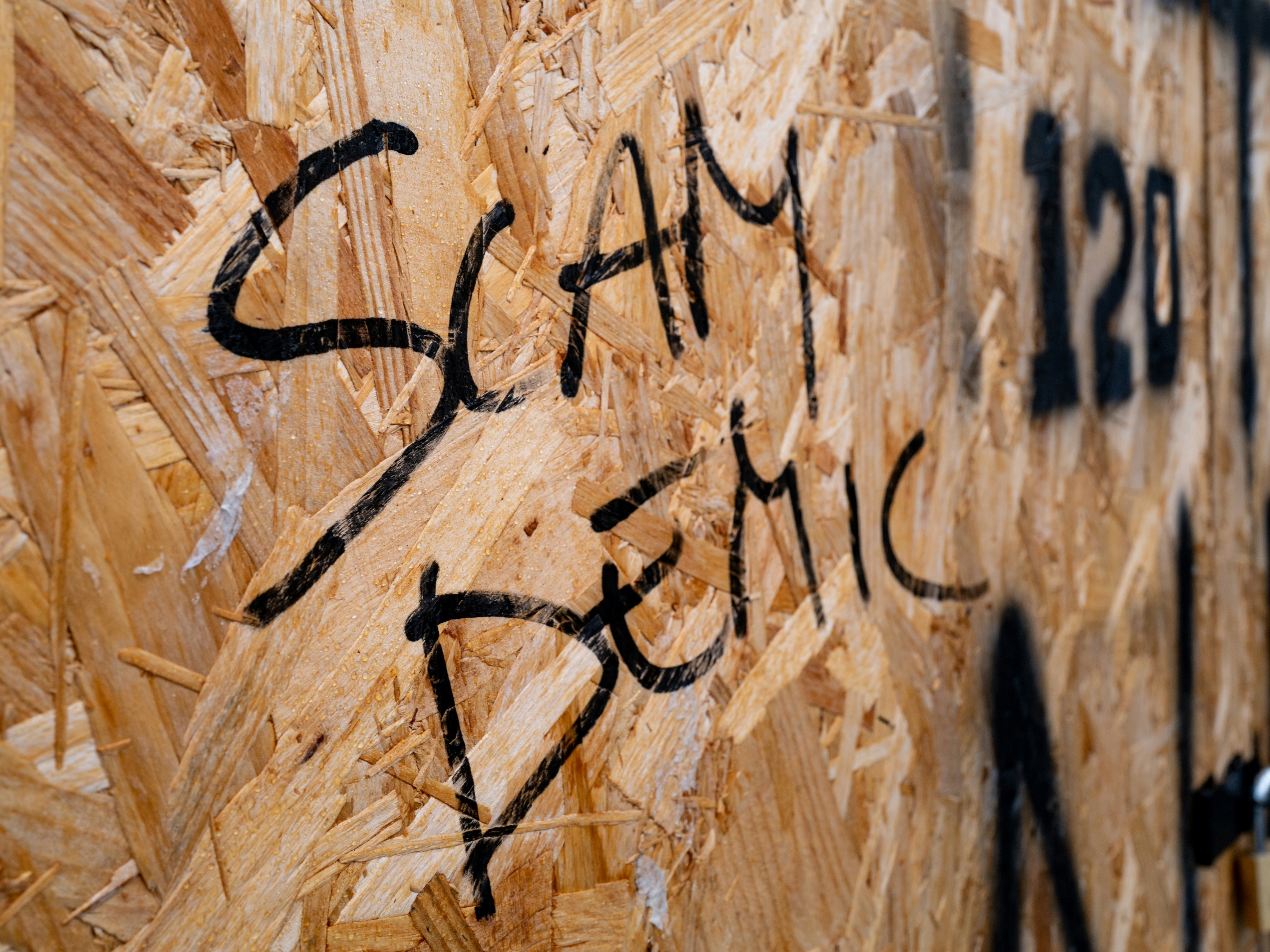
Understanding Real-Life Scam Cases
Scam victim stories provide a real and sobering glimpse into the experiences of individuals who have fallen prey to various fraudulent activities. Among the myriad forms of scams, financial fraud and cryptocurrency schemes stand out for their prevalence and sophistication. For instance, a common narrative involves individuals investing in seemingly legitimate cryptocurrency platforms, only to discover later that their investments were simply siphoned off by con artists. Victims recount the exhilaration of initial gains, followed by the harrowing realization that they have been duped.
Another prevalent scenario involves phishing scams, where victims unknowingly provide sensitive financial information to fraudsters posing as trusted entities. One poignant story highlights a retired couple who, after receiving what appeared to be an official communication from their bank, unwittingly disclosed personal details that ultimately led to a significant loss of their life savings. Such cases emphasize not only the financial repercussions but also the emotional toll: feelings of shame, guilt, and anger can linger long after the financial loss.
The emotional and psychological impact of these scams often surpasses the monetary loss. Victims frequently report a loss of trust, not only in financial systems but also in the people around them. Their stories drive home the message that awareness and education are critical in fraud prevention. By understanding scam warning signs and familiarizing themselves with common tactics used by fraudsters, individuals can better protect themselves. Resources such as the fraud prevention guide provided by GA Mars Digital Trust Lab aim to bolster crypto scam awareness by offering actionable insights and preventive measures. As these real-life experiences underscore, the best defense against scams often lies in knowledge and vigilance.
Common Scam Patterns and Warning Signs
In the modern digital landscape, scammers have developed sophisticated methods to deceive unsuspecting individuals. Understanding common scam patterns is crucial for recognizing and mitigating risks associated with fraud. One prevalent tactic employed by scammers is the use of too-good-to-be-true offers. These offers often promise significant returns on investments with little to no risk, enticing victims to act quickly without conducting ample research. Such unrealistic scenarios should raise red flags, as legitimate opportunities typically involve inherent risks and require thorough investigation.
Another prevalent method utilized by fraudsters is unsolicited communication. Scammers frequently reach out through emails, phone calls, or social media messages, claiming to represent legitimate organizations. These communications may involve requests for personal information, financial details, or urgent action. It is important for individuals to verify the authenticity of such inquiries and refrain from sharing sensitive information without confirming the source.
Pressure tactics are another warning sign that individuals should be aware of when engaging in financial transactions. Scammers often create a sense of urgency, urging potential victims to act quickly to secure what they deem a limited-time offer. This manipulation can cloud judgment and lead to hasty decisions, increasing the likelihood of falling victim to scams.
Fraud prevention guides and resources, such as those provided by GA Mars Digital Trust Lab, emphasize the importance of recognizing these patterns and warning signs. By understanding the methodologies used by scammers, individuals can develop a heightened sense of crypto scam awareness and better protect themselves against potential financial fraud. Remaining informed and vigilant is key to navigating the increasingly complex landscape of modern scams.
Practical Fraud Prevention Tips
In today’s digital landscape, scams are pervasive, and understanding how to safeguard oneself is crucial. Start by implementing secure financial practices that protect your assets. Always use strong, unique passwords for online banking and trading accounts, opting for password managers to store them securely. Additionally, enable two-factor authentication on sensitive accounts whenever possible, as this adds an extra layer of security against unauthorized access.
Next, recognizing authorized communication from legitimate sources is vital in the fight against fraud. Be wary of unsolicited emails or calls asking for personal or financial information. Legitimate organizations will never request sensitive information through insecure channels. Verify any requests through official websites or direct customer service contacts before responding. Familiarize yourself with common scam warning signs, such as pressure tactics, urgency, or overly good-to-be-true offers.
When engaging in cryptocurrency trading, it is essential to practice safe trading habits. Stick to reputable exchanges and always verify their regulatory compliance. Conduct thorough research before investing in new or unfamiliar assets, as the unregulated nature of many cryptocurrencies makes them a breeding ground for scams. Seek out crypto scam awareness resources and communities that can provide guidance and dissect potential investment opportunities critically.
Furthermore, consider taking proactive steps by participating in workshops or webinars organized by agencies specializing in financial fraud prevention. These educational sessions can equip you with practical insights and strategies to identify scams effectively. By integrating these practices into your daily life, you can build a resilient defense against potential fraud attempts and reduce the likelihood of becoming a scam victim.
Recovery and Support for Scam Victims
The aftermath of experiencing financial fraud can be devastating for victims, often leaving them in a state of confusion and despair. However, recovery is not only possible but also attainable through a combination of proactive measures and support resources. One of the first steps victims should take is to report the scam to relevant authorities. This process not only aids in stopping the perpetrators but also can lead to potential recovery of lost funds. Agencies such as the Federal Trade Commission (FTC) provide a structured way to report scams, which can contribute to ongoing fraud prevention efforts.
In addition to reporting, seeking legal counsel can be beneficial for victims of scams. Lawyers who specialize in financial fraud can help individuals navigate the complex legal landscape surrounding their situation. They can offer guidance on whether it is feasible to pursue civil action against the fraudster and advise on avenues for recovering lost assets. This can be critical for victims looking to reclaim their financial stability following such traumatic incidents.
Emotional healing is also a crucial component of recovery. Victims may find solace in joining support groups specifically tailored for scam victims. These groups provide a platform where individuals can share their stories, exchange advice, and learn about common scam warning signs. Resources such as GA Mars Digital Trust Lab offer guidance on crypto scam awareness and provide information on modern asset risk solutions that can empower victims to protect themselves in the future.
Ultimately, the path to recovery involves taking actionable steps towards regaining control of one’s financial and emotional well-being. By actively engaging with available resources, reporting their experiences, and participating in support networks, victims can not only heal but emerge stronger, equipped with insights that contribute to comprehensive fraud prevention in their lives moving forward.